
Essays about Religion
I am an atheist, although as a descriptor of one's beliefs, the term is far too narrow and one-dimensional. From a
cosmological or ontological perspective, I'm inclined to agree with Iain McGilchrist who remarked that "there is almost certainly more here than we have words for, or can expect ever to understand using reason alone".
But having labelled myself an atheist, I hasten to add that I've always been interested in religion (and philosophy) ever since my early teens. As Professor Ninian Smart wrote in his book about world religions (The Long Search), "what moves men, whether it be foolish or wise, justified or unjustified, good or evil, must vitally concern us if we wish to understand men's various responses to life". So, here I am, many years later writing some essays on the subject of religion. I've also included one on Humanism, which in my view has elements of religion too. But see what you think...
Christianity
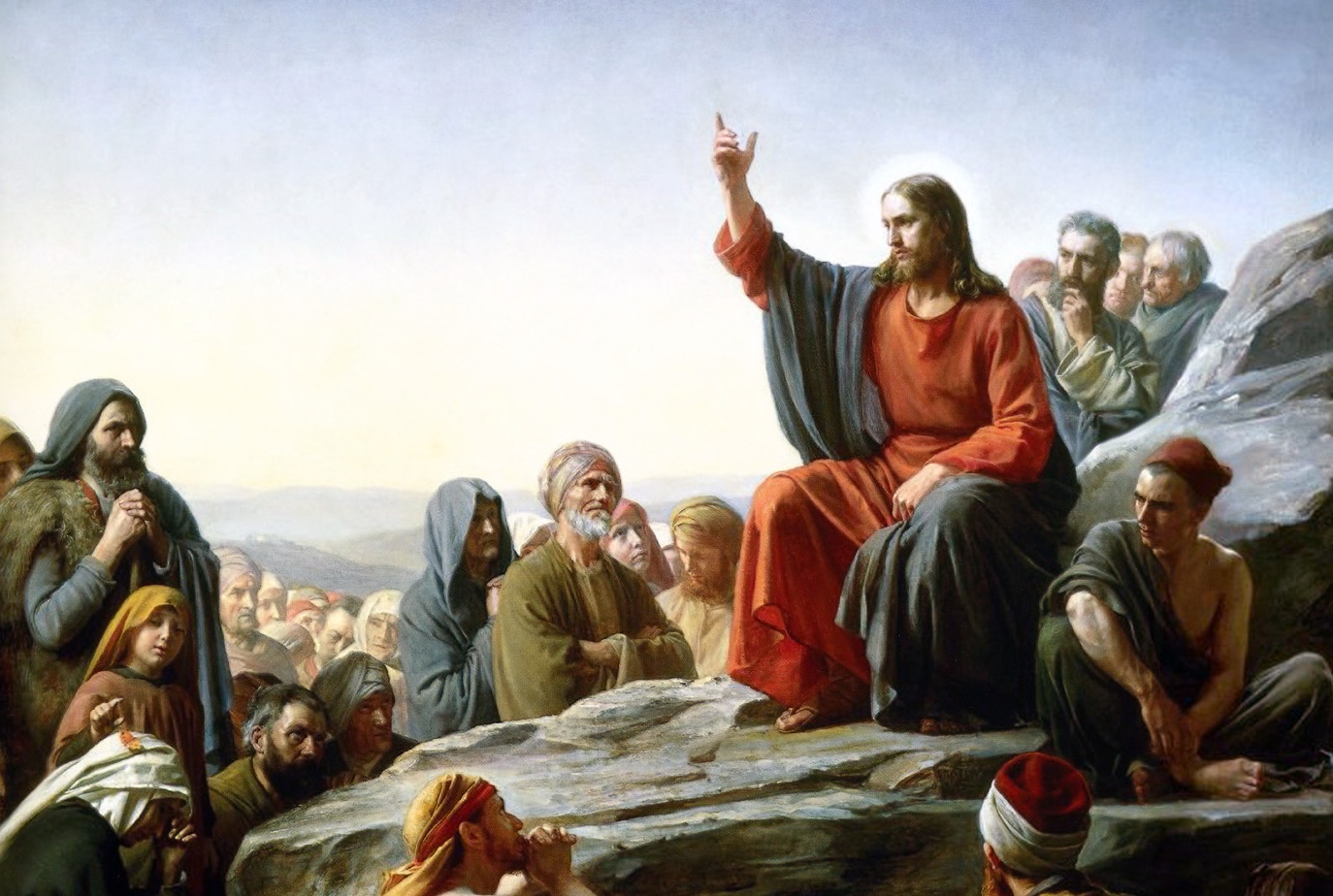
Today, Christianity remains the world's largest religious group with some 2.4 billion followers. It introduced the character of Jesus Christ whose standards of virtue that he preached – to love one's enemy, to abandon all one's worldly goods – were as novel as they were shocking. It has had an enormous influence on shaping Western culture. What is particularly fascinating is that, even if the dogma and doctrines of Christianity are largely nonsensical, it was a deceptively simple idea that 'all are equal before God' and the quest for individual perfection or salvation, that proved so powerful. So what to make of it now...
Buddhism
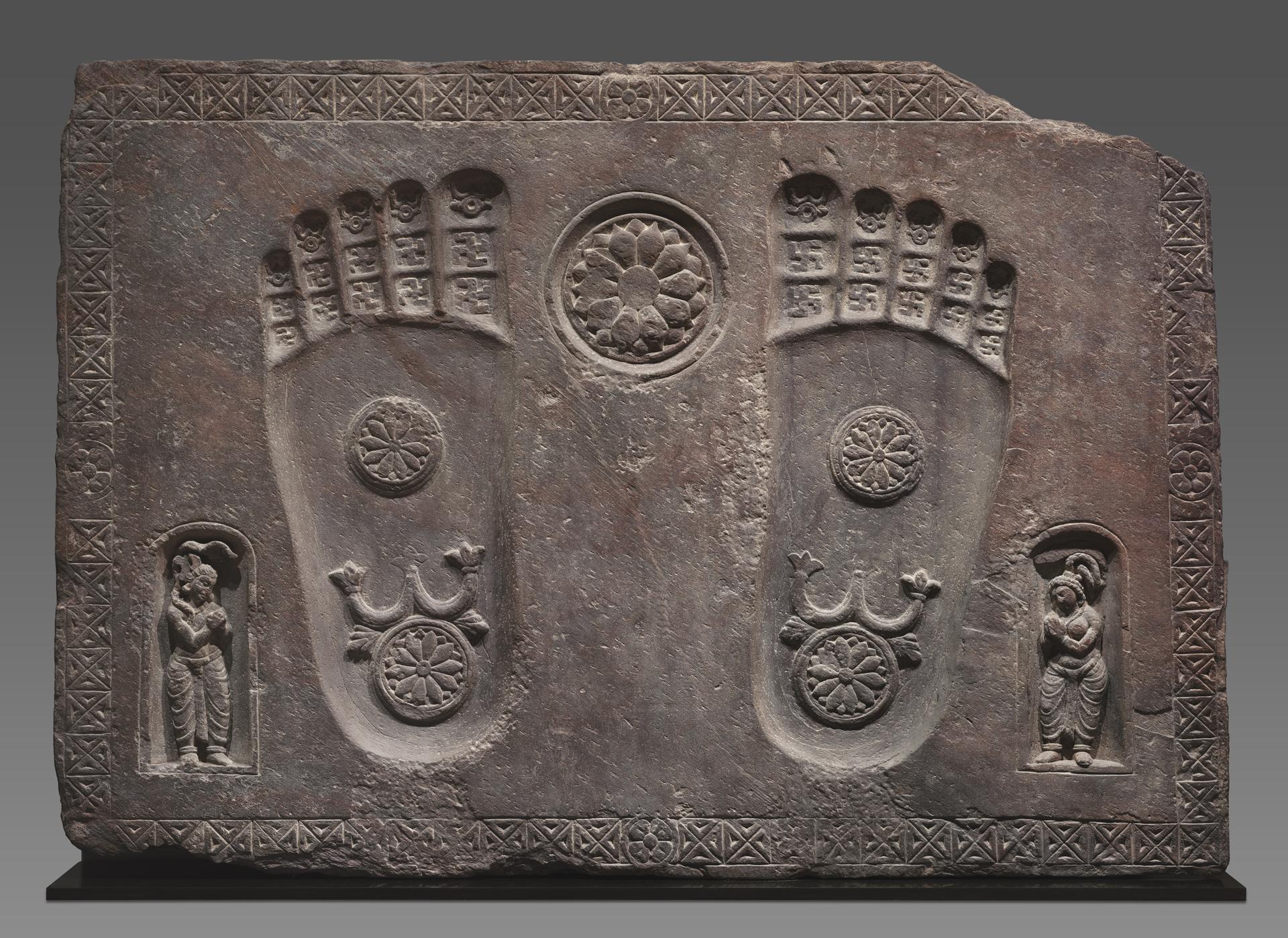
Buddhism has always held a fascination for me ever since I first encountered it. Its rejection of a creator god and its conception of life as one (sentient) stage in a cyclical process of birth / death / rebirth makes Buddhism quite unlike any of the other major religions. Even if one doesn't agree with, or know, some or all of its doctrine, one has to admire the breadth of its scope and its desire to understand the true meaning of life and the place of humans in an infinite, constantly evolving universe. Then, of course, there was the tantalising prospect of finding some sort of 'enlightenment'. Read on.....

Judaism
Judaism is the world's oldest monotheistic religion. The Hebrew Bible (Tanakh) is one of the most well-known, widely published books in the world, even if it is primarily and better known as the 'Old Testament' of the Christian Bible. The numerous stories within it still capture the imagination, which speaks of their powerful messaging. But compared to other major world religions, the number of adherents to Judaism remains very small, only 15 million. Why has Judaism figured so prominently thoughout Western history? Why have the Jews been persecuted for so long, and why does antisemitism still persist today?

Humanism
Humanism is a broad, non-religious approach to life based on reason and science that rejects supernatural views of reality. Modern humanism began in the U.S. in the late 19th century as an ethical movement ("not by the creed but by the deed") out of which different types of humanism emerged including, oddly enough, religious humanism. In the 21st century secular humanism remains the most prominent umbrella term. In the UK, the Humanists UK organisation has been very successful in raising the profile of humanism. In particular, it has made a strong claim that humanist values are rooted in the classical civilizations of Greece, Rome and China. But is it true?